
If you’ve been anywhere near a construction project lately, you already know something feels… off. Prices don’t behave the way they used to. You budget something today, and a few months later it’s already outdated. Not completely wrong, but just enough to hurt. That’s exactly why understanding construction cost trends USA isn’t optional anymore. It’s survival. Because planning a project in 2026 without knowing where costs are heading? That’s like building without a foundation. You might get through it. But chances are, you won’t like the outcome.
So let’s walk through what’s really happening. No fluff. Just what contractors, developers, and estimators are actually dealing with right now.
The overall direction is still upward. Not at the crazy spikes we saw a couple of years back, but definitely not stable either. construction inflation rates have slowed compared to peak years, but they haven’t settled into anything predictable. Costs are rising in waves now. One quarter looks stable, the next jumps unexpectedly. And here’s the frustrating part. It’s not just one factor driving this. It’s a mix. Material pricing. Labor shortages. Supply chain disruptions. Economic pressure. Everything overlapping at the same time. That’s why a simple estimate doesn’t cut it anymore. You need a flexible, constantly updated construction market analysis just to stay in the game.

Let’s talk materials first, because this is where most people feel the impact immediately. material cost trends construction haven’t exactly stabilized. Some materials dropped slightly after previous peaks, but others are climbing again. Take steel, for example. steel and concrete pricing continues to fluctuate depending on global supply and energy costs. You might get a decent rate one month, and the next quote feels like it came from a different market entirely. Concrete isn’t far behind. Transportation costs, fuel prices, and regional demand all affect pricing. So even if raw material costs stay somewhat steady, delivered costs don’t. And then there’s the supply chain impact. It’s improved, sure. But it’s not fully reliable. Delays still happen. Lead times still stretch longer than expected.

Materials get all the attention, but labor is where things are quietly tightening. labor cost trends USA show steady growth, and not the kind that slows down easily. There’s a shortage. Plain and simple. Skilled workers are harder to find. And when demand is high, wages follow.
But it’s not just wages.
Training costs, productivity shifts, overtime, compliance requirements. All of that adds up. Even if hourly rates don’t spike dramatically, total labor costs still increase. And here’s something contractors don’t always factor in early enough. Reduced productivity due to workforce gaps. Fewer skilled workers means jobs take longer. Longer schedules mean higher costs. It’s a chain reaction.
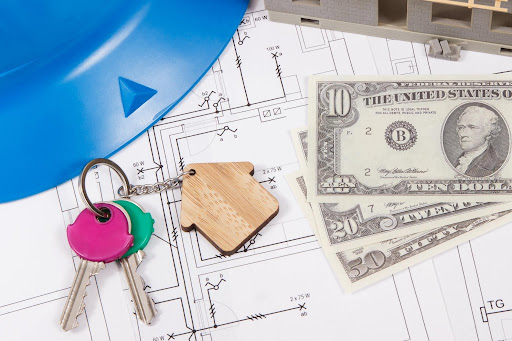
This is probably the biggest shift. construction pricing trends used to follow patterns. You could rely on historical data with some confidence. Adjust for inflation, add contingency, and you were in a decent range.
Now? Not so simple.
Prices react faster. Market conditions shift quicker. And local factors play a bigger role than before. A project in one state might behave completely differently than the same project somewhere else. That’s why estimators are leaning more on real-time data instead of relying heavily on past numbers. And yeah, it makes estimating harder. But also more accurate if done right.

Let’s be honest. Cost escalation isn’t a possibility anymore. It’s expected. cost escalation construction needs to be built into every serious project plan. Not as a rough guess. As a structured part of the estimate. Contractors are now including escalation clauses, flexible pricing structures, and phased budgeting more often than before. Because locking a fixed price too early can backfire badly. And ignoring escalation? That’s even worse.
So where are things heading?
The building cost forecast for 2026 suggests moderate but steady increases. Not explosive growth. But not stable either. Material costs may fluctuate depending on global conditions. Labor costs will likely continue rising due to ongoing shortages. And economic factors? Still unpredictable. The economic impact on construction is tied closely to interest rates, investment trends, and public infrastructure spending. If financing tightens, projects slow down. If funding increases, demand rises, and so do prices. It’s all connected.
Instead of trying to predict exact numbers, experienced teams are focusing on adaptability. future cost predictions aren’t about being perfectly right. They’re about being prepared.
Contractors are:
Adjusting estimates more frequently
Using updated pricing databases
Collaborating closely with suppliers
Planning procurement earlier
Including realistic contingencies
And maybe most importantly, they’re communicating cost risks clearly to clients. Because surprises during construction? Those conversations never go well.
A solid construction market analysis isn’t just for large firms anymore. Even mid-size contractors are investing in better data, better tools, and better estimating practices. Because the margin for error is smaller now. You miscalculate costs, even slightly, and it eats into your profit fast. Or worse, turns a winning bid into a losing project. That’s why firms like Antenity focus heavily on real-time pricing, detailed cost modeling, and market-based estimates. Because accuracy isn’t just about numbers anymore. It’s about timing.
A lot of people ask, “Are costs going back down?”
Short answer? Not really. construction inflation rates might slow, but they rarely reverse in a meaningful way. Some materials may drop temporarily. Some markets may cool down. But overall, construction costs tend to move upward over time. That’s just how the industry works. So the focus shouldn’t be on waiting for prices to fall. It should be on planning smarter within current conditions.
This is where having the right estimating partner actually makes a difference. Antenity doesn’t just produce numbers. It builds estimates around real market conditions. Using updated data. Trade-specific insights. And a practical understanding of how projects actually run. From tracking material cost trends construction to analyzing labor cost trends USA, the goal stays the same. Give clients realistic, usable cost information. Not overly optimistic numbers. Not inflated guesses. Just accurate, well-informed estimates that help projects move forward with confidence.
Trying to control construction costs completely? You can’t do that anymore. But understanding them. Planning for them. Reacting as they change. That’s where projects succeed. Construction cost trends USA 2026 are simple. Things change fast. Prices move. Risks exist. But they shouldn’t always be cause for concern. And that’s why we think it’s all about: Not perfect predictions. And just good decisions, timely.
Continued Supply chain issues, energy costs and global demand affecting prices, particularly for steel and concrete.
Shortages drive up wages and decrease productivity, driving up project costs.
Cost escalation is when costs grow over the course of a project. It is important to plan for it to avoid budget and cost blow-outs.
Through the use of current data, flexible pricing models, early planning for procurement and contingency.

Monday – Friday: 9:00 AM – 5:00 PM
Saturday – Sunday: Closed
15750 Fair Hill Way Apple Valley, Minnesota 55124, USA
Stay updated on our latest projects, tips, and offers.
Copyright © 2026 All Rights Reserved The Marketing Manic
